
Tariff Volatility in 2026: How Global Supply Chains Are Shifting | FVSource Insights
- April 20, 2026
- Posted by: assistant
- Category: Manufacturing
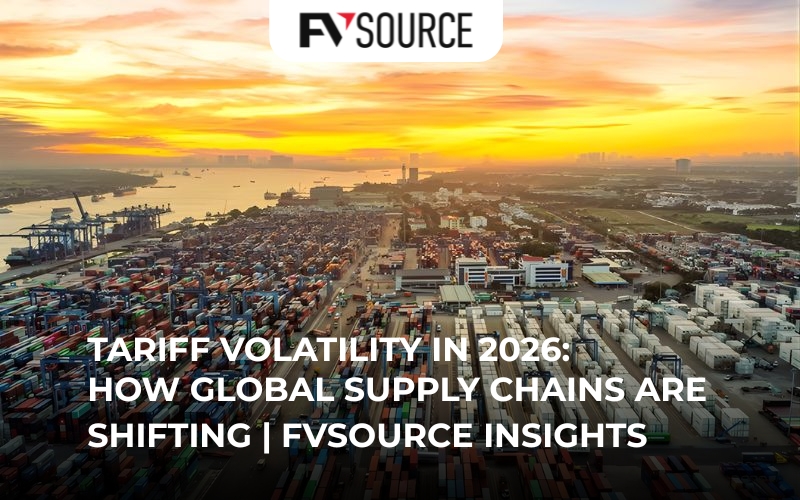
In the fast-paced, ever-evolving landscape of global commerce, reliable information and sharp analytical insights are the most valuable currencies for business leaders. Recently, the FVSource team was incredibly proud and deeply honored to be featured by Asia’s leading prestigious business publication, The Business Times, in their comprehensive feature article titled: “One year of Trump tariffs: What has changed and what’s next for South-east Asia?” This investigative piece provided an unparalleled, comprehensive lens into the economic and trade landscape of the Southeast Asian region following a turbulent year under the profound impact of shifting United States tariff policies. The geopolitical climate has fundamentally altered how goods are manufactured, sourced, and shipped across the globe, and understanding these shifts is no longer optional for businesses, it is a matter of survival.
We, the entire executive and operational team at FVSource, would like to extend our deepest gratitude to the insightful authors and the editorial board of The Business Times. They have provided a high-quality forum where complex macroeconomic changes are thoroughly dissected for the business community. The fact that insights from Mr. Pietro Karjalainen, Co-founder and Chief Strategy Officer of FVSource, were prominently quoted in this article is a clear, resounding testament to our core organizational commitment: Always staying acutely attuned to the market’s heartbeat and dedicating ourselves entirely to accompanying manufacturing businesses and global brands as they navigate the complexities of the Vietnamese market and reach out to the global stage.
The Big Picture of How Tariffs Are “Driving Structural Shifts” in Southeast Asia
Over the past year, the global economy, particularly the Southeast Asian region, has experienced real turbulence brought about by tariff policies. According to The Business Times article, since the baseline 10% tariff was applied to most imports into the US, along with a series of Section 301 investigations, the rules of the game in global trade have taken a completely new direction.
What is worth noting is that these tariffs do not stop at short-term financial barriers. More importantly, they are truly “driving structural shifts” deeply across all ASEAN economies. Instead of merely applying temporary countermeasures such as front-loading shipments or seeking tariff exemption loopholes, businesses are now forced to redesign their entire “supply chains”.
The article pointed out a multifaceted picture: Singapore faces pressure on its position as a transshipment hub, Malaysia deals with shrinking profit margins, while Thailand and Indonesia stumble upon policy hurdles. In that context, Vietnam emerges as a bright spot attracting capital flows, but at the same time, it must confront massive challenges lying deep within the core foundation of its domestic manufacturing sector.
The Vietnam Market – A Massive Opportunity, But Is It for Everyone?
It is undeniable that Vietnam is currently one of the biggest beneficiaries of the global “supply chains” restructuring process. However, the Business Times article uncovered a noteworthy reality: The benefits from this shift are being distributed unevenly.
While foreign direct investment (FDI) manufacturers have fully capitalized on this opportunity, recording 26% export growth last year, Vietnamese domestic enterprises saw a 6% decline. This contrast highlights deep structural weaknesses in their competitiveness. At the same time, competition is intensifying within Vietnam itself, as Chinese companies continue to establish factories in the country to avoid tariffs. What may have started as a short-term workaround has increasingly evolved into deeper and more integrated production expansion.
In-Depth Analysis from Pietro Karjalainen – Where is the Bottleneck for Vietnamese Enterprises?
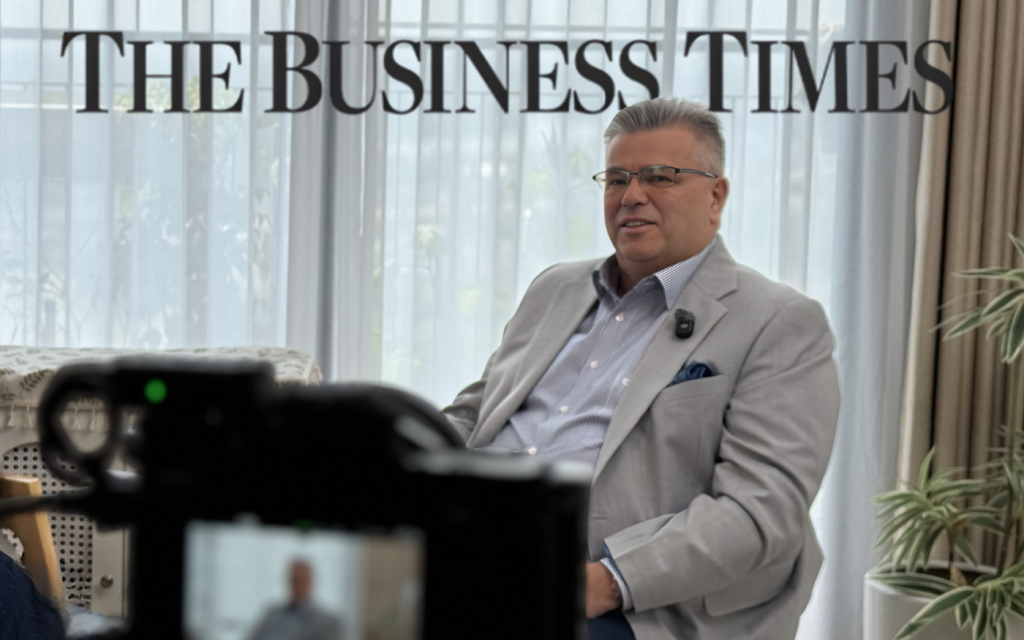
It is precisely at these critical market bottlenecks that the sharp, grounded insights of Mr. Pietro Karjalainen accurately diagnose the realities of the Vietnamese manufacturing industry. As the person directly leading complex consulting, auditing, and sourcing strategies in Ho Chi Minh City through FVSource, Mr. Pietro operates on the front lines of global trade. He understands better than anyone the practical, day-to-day limitations that prevent domestic factories from fully capturing the value of this historic opportunity.
1. The Barrier of Management Capacity and Passivity in Business
One of the most significant quotes highlighted by The Business Times from Mr. Pietro touched upon the core operational philosophy of many local factories: “A lot of Vietnamese manufacturers lack competencies in ownership and management, which makes it difficult for them to move from reactive to proactive sales, especially in international markets.”
This is a painful but necessary reality to confront. Despite possessing skilled labor and a strong work ethic, many manufacturers in Vietnam still maintain traditional, family-run or small-scale operating models. They often lack the internationally standardized management systems (such as advanced ERP software, robust ISO certifications, and digitized inventory tracking) required by modern global buyers.
Furthermore, there is a distinct lack of professional B2B sales capabilities. Historically, many Vietnamese factories operated on a reactive basis – waiting for buyers to approach them with technical drawings and purchase orders. However, when modern global supply chains demand extreme transparency, strict ESG (Environmental, Social, and Governance) compliance, proactive communication, and lightning-fast response times, this traditional passivity becomes a fatal weakness. It causes domestic firms to constantly fall behind the highly experienced, aggressively proactive FDI sector, which knows exactly how to pitch, negotiate, and assure international corporate buyers.
2. The Pragmatic Problem of Capital Flow and Policy Barriers
When analyzing the massive wave of Chinese enterprises shifting their operations to Vietnam, Mr. Pietro offered a highly realistic, financially grounded perspective that cuts through the hype: “As long as tariffs are the same between Vietnam and China, there is no strong reason for Chinese companies to move production to Vietnam. The question is whether lower costs in Vietnam are enough to justify the large investment, especially if the policy outlook is uncertain.”
This assessment serves as a crucial reality check. It indicates that the profound appeal of driving structural shifts does not solely lie in the simplistic equation of cheaper labor costs. Labor arbitrage is only one piece of a highly complex puzzle.
Investors and global brands require absolute macroeconomic policy stability. They need a predictable, transparent business environment free from sudden regulatory hurdles. More importantly, they require a sufficiently mature supporting industry ecosystem. Currently, a significant portion of raw materials and intermediate components used in Vietnamese factories is still imported from neighboring countries. Before disbursing tens or hundreds of millions of dollars to build entirely new factory campuses, investors must weigh the risk of policy uncertainty against the tangible costs of relocating an entire ecosystem of suppliers. If the underlying policy landscape remains volatile, the massive capital expenditure required for relocation becomes incredibly difficult to justify to shareholders.
3. The Urgent Need for True Localization
Another vital insight drawn from the current market dynamics is the pressing need for true localization. As Western clients increasingly demand “zero content” from specific origins to comply with geopolitical mandates, manufacturers in Vietnam are under immense pressure to diversify their supply bases and source inputs locally.
However, localizing a supply chain is vastly more complicated than simply switching vendors. It requires developing local suppliers to meet international standards of quality, consistency, and scale. For many specialized components, from high-grade electronic chips to specific chemical dyes in textiles, the local supply simply does not yet exist at the required volume. Bridging this gap requires time, massive investment in local capabilities, and a strategic vision that looks far beyond the next fiscal quarter.
The Mission of FVSource – A Strategic Partner Surfing the Global Supply Chain
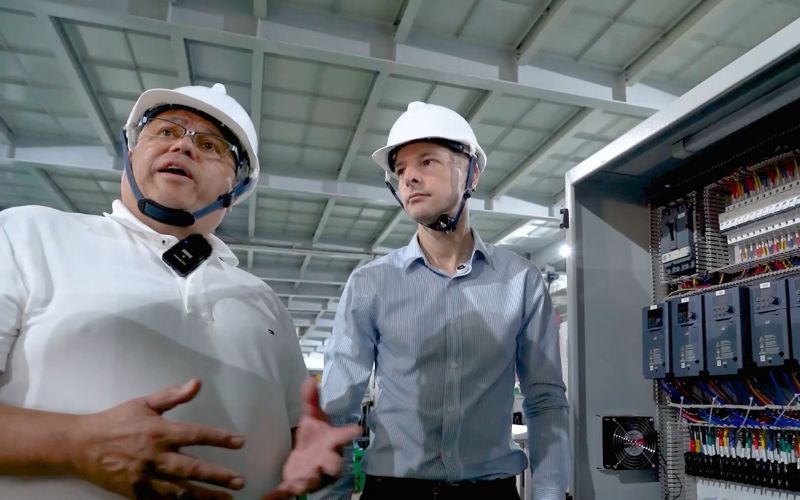
Faced with these landmark, generational challenges, a critical question arises for the business community: How can small and medium-sized domestic enterprises elevate their standards, and conversely, how can international brands optimize, secure, and protect their vulnerable supply chains in an era of unprecedented volatility?
That is precisely the mission that FVSource pursues and affirms with relentless dedication every single day.
Headquartered in the vibrant economic hub of Ho Chi Minh City, the epicenter of Vietnam’s commercial growth, FVSource is immensely proud to be a leading manufacturing sourcing, risk management, and strategic advisory firm. We do not view ourselves merely as commercial brokers or transactional middlemen. We act as a deeply embedded Strategic Partner, bridging the vast divide between international expectations and local realities.
We understand that driving structural shifts within your organization requires more than just a list of factory names; it requires deep due diligence, cultural fluency, and rigorous operational oversight. Our comprehensive suite of services is designed to address the specific pain points highlighted in The Business Times report.
Strategic Solutions for International Brands and Buyers
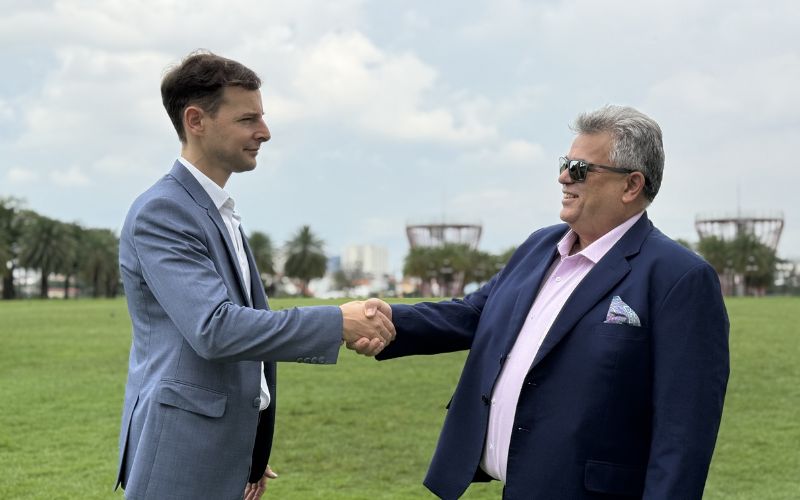
For global brands, the risk of selecting the wrong supplier in a new market can result in catastrophic financial losses, severe brand damage, and crippling operational delays. In a context where tariffs create unprecedented pressures to move quickly, the need for rigorous, on-the-ground intelligence is paramount.
FVSource acts as your eyes, ears, and strategic mind on the ground in Vietnam. We provide a comprehensive, end-to-end risk management and sourcing ecosystem:
Rigorous Factory Auditing & Vetting: We do not rely on glossy brochures. Our expert teams conduct exhaustive on-site factory audits. We assess not only their physical machinery and production capacity but also their financial stability, management structure, labor practices, and environmental compliance. We ensure that any supplier you engage with is not a risk to your corporate reputation.
Quality Control (QC) and Quality Assurance (QA): We implement strict, international-standard quality control processes directly on the factory floor. By catching defects at the source, we prevent costly returns and ensure that the final product shipped across the ocean meets your exact specifications every single time.
Supply Chain Design & Diversification Consulting: We help international brands navigate the “information fog” of tariffs. We analyze your current Bill of Materials (BOM) and advise on how to strategically shift sourcing to Vietnam while minimizing disruption. We help you build a robust network of suppliers that offers both redundancy and cost-efficiency.
Contract Negotiation & Relationship Management: Navigating the cultural nuances of business negotiations in Vietnam can be challenging for outsiders. We leverage our deep local expertise to negotiate favorable terms, manage ongoing vendor relationships, and act as a seamless conduit of communication between Western boardrooms and Vietnamese factory floors.
Bridging Buyer Expectations and Factory Execution in Vietnam
At FVSource, we do not position ourselves as a service provider for Vietnamese manufacturers. Our role is to represent international buyers, primarily European companies, working directly with factories in Vietnam.
However, to ensure successful project execution, we actively support local manufacturers in understanding and meeting international standards and expectations.
We work closely with factory teams to align their processes with the requirements of international buyers. This may include strengthening quality control practices, improving production tracking, and supporting the implementation of structured management systems where needed.
Many capable Vietnamese manufacturers face challenges not in production, but in fully understanding what international clients expect. FVSource acts as a bridge by translating technical requirements, quality expectations, and communication standards into actionable processes on the factory floor.
Rather than advising factories as clients, we guide them within the framework of ongoing sourcing projects, helping them move from a reactive approach to a more structured and reliable execution model aligned with global procurement standards.
Conclusion: Towards a Sustainable Manufacturing Future
The ongoing process of driving structural shifts across the global economic landscape is undeniably harsh. It is a crucible that is actively eliminating slow-to-adapt businesses and severely punishing those who rely on outdated, inflexible models. However, this same pressure acts as an incredible, necessary purifying opportunity. It is the catalyst required to force innovation, mandate efficiency, and ultimately upgrade the entire manufacturing ecosystem in Vietnam to a sophisticated, world-class standard.
The era of easy globalization is behind us. The future belongs to those who actively manage their risks, deeply understand their geopolitical environment, and build profound resilience into the very DNA of their operations.
Once again, we would like to respectfully thank The Business Times for their profound, sharp, and necessary analysis of the Southeast Asian economic climate. The fact that Mr. Pietro Karjalainen and the FVSource brand could contribute a meaningful voice to this high-caliber publication is a great honor.
If you are a global brand, international buyer, or foreign investor urgently needing to restructure your “supply chains”, mitigate sourcing risks, and navigate through the dense “information fog” of international tariffs to successfully enter the Vietnamese market, do not leave your success to chance. Contact FVSource today. As your dedicated eyes and ears on the ground, we combine a profound, granular understanding of local market dynamics with an uncompromising global strategic vision. We are ready to stand beside you as your trusted partner, helping you architect and manage sustainable, high-performing value chains in Vietnam that transcend all the volatilities of our times.

