
How to Qualify Vietnamese Manufacturers for Long-Term Production
- November 9, 2026
- Posted by: marketing
- Category: Manufacturing
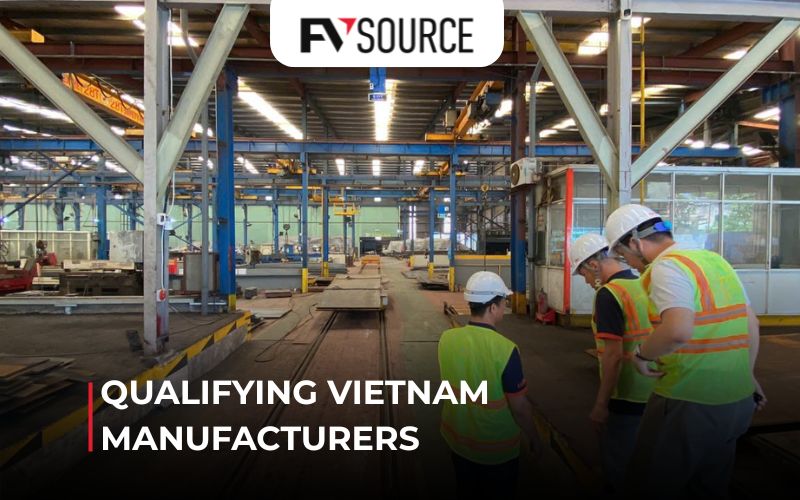
Vietnam is becoming a relevant manufacturing base for international companies looking to diversify production across Southeast Asia. As manufacturers expand their capacity and connect with global supply chains, the country can support longer-term production arrangements across industries such as industrial components, steel fabrication, electronics, machinery, and consumer products.
For buyers, however, qualifying a supplier for a trial order is different from assessing whether a manufacturer is suitable for sustained production.
A factory may complete an initial batch according to specification but face different conditions later. Workforce turnover, capacity expansion, quality consistency, financial pressure, or changes in export demand can affect production after the supplier relationship is established. These issues can also become more difficult to address once production has been transferred and changing suppliers requires additional time and resources.
The relevant question for a long-term buyer is therefore not only whether a Vietnam manufacturer can meet the current order. It is whether the manufacturer has the people, systems, financial capacity, and operational processes needed to maintain the required level of performance as the relationship develops.
This makes long-term supplier qualification an important part of planning a manufacturing relationship in Vietnam.
Long-Term Qualification
A successful sample order provides evidence that a manufacturer can produce a particular product under the conditions of that order. It does not necessarily show whether the supplier can maintain the same quality, capacity, and responsiveness over three, five, or ten years.
This distinction becomes more relevant when a sourcing relationship moves from a trial purchase to regular production.
For a small order, buyers may focus mainly on product quality, price, lead time, and communication. A longer-term production arrangement requires a wider assessment of factors such as:
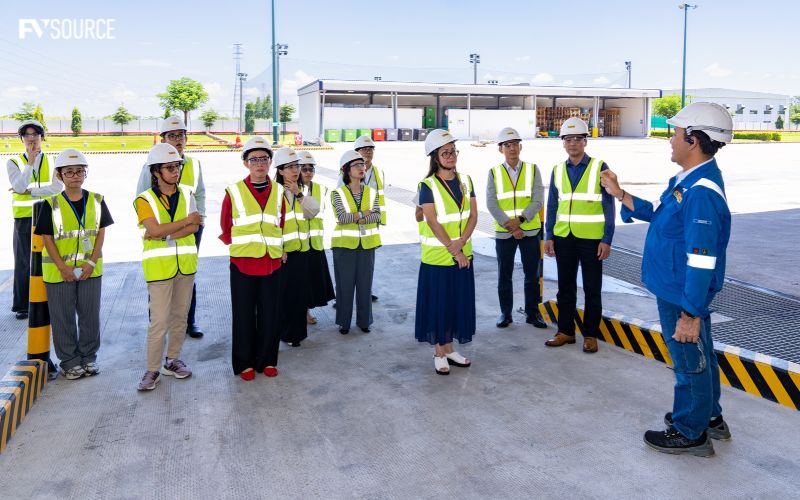
- Financial resilience
- Workforce stability
- Management depth
- Equipment maintenance
- Raw-material sourcing
- Quality systems
- Capacity expansion
- The ability to increase output without disrupting existing customers
Vietnam’s investment environment also makes this distinction relevant. In June 2026, the Politburo issued Resolution No. 10-NQ/TW on the development of the foreign-invested economic sector, with policy emphasis moving beyond investment volume toward areas including quality, technology, innovation, domestic linkages, and sustainable development.
For international buyers, a similar approach can be applied to supplier qualification: rather than assessing only whether a manufacturer can deliver the current order, buyers can also consider whether its operating model is suitable for future production requirements.
A closer look at Vietnam’s manufacturing environment also highlights the importance of workforce capabilities, technical expertise, and operational development in supporting long-term production. Watch the video below for additional context.
Trial Performance and Long-Term Capability
The distinction is particularly relevant in a manufacturing environment that is expanding.
Vietnam’s manufacturing and processing output increased 12.6% year-on-year in June 2026, according to the National Statistics Office.
For individual manufacturers, market growth can coincide with additional equipment, employees, customers, and production lines. However, physical expansion and organizational development do not necessarily happen at the same pace.
For example, a manufacturer may add machinery before it has expanded its supervisory capacity, quality-control personnel, production planning, or trained operator base. A supplier may therefore meet the requirements of an initial qualification while encountering operational constraints when order volumes increase.
For this reason, long-term qualification should look beyond current production output and examine how the manufacturer manages repeatability.
During a factory assessment, buyers can compare declared production capacity with actual output, review production and quality records, and discuss how additional orders would be accommodated. This helps determine whether the factory’s existing systems can support increased volumes without compromising current production commitments.
The question therefore changes from: “Can this factory make my product?” to “Can this factory continue making my product to the required standard as production volumes and requirements change?”
Answering that question requires looking at the workforce supporting the production system.ng at the workforce supporting the production system.
Workforce Stability
Machinery, certifications, and stated factory capacity are relatively straightforward for overseas buyers to review. Workforce stability is less visible during a short factory visit, but it can affect production consistency over time.
This is particularly relevant to manufacturers that depend on experienced welders, machine operators, technicians, engineers, production supervisors, and quality-control personnel.
Some of their knowledge is documented through procedures and work instructions. Other knowledge comes from experience—for example, understanding how a particular machine behaves, identifying an abnormal weld before it develops into a defect, or adjusting a production sequence without creating problems for later processes.
Vietnam’s labor market also faces a skills-related challenge. By the end of 2025, around 29.2% of the workforce held a diploma or recognized certificate, according to figures cited by Vietnam Briefing. Employers also continue to report difficulties finding candidates with the required skills.
For long-term buyers, this makes workforce retention and training relevant areas to assess alongside installed production capacity.
Look Beyond Headcount
A factory may have a large workforce, but total headcount does not necessarily show whether the positions affecting production continuity and quality are stable.
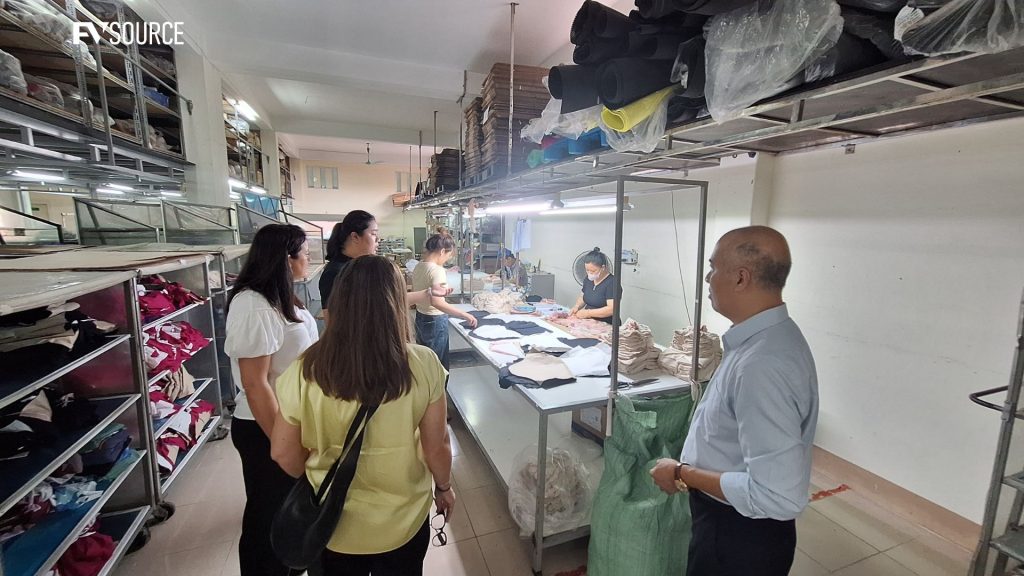
During supplier qualification, buyers can ask about:
- Annual turnover among production and QC personnel
- Average tenure of key operators and supervisors
- Recruitment difficulty for skilled technical positions
- Internal training and onboarding programs
- Cross-training for critical production roles
- Succession plans for technical and managerial positions
These indicators can help buyers understand how dependent the production process is on individual employees.
For example, frequent turnover among skilled workers may increase training requirements and create additional inspection or rework needs. A structured training system, on the other hand, may help the manufacturer transfer process knowledge when experienced employees leave.
This is relevant to long-term contracts because workforce conditions can change after the initial qualification. A factory that has experienced personnel today may have a different workforce structure two years later.
In-House Training as a Resilience Indicator
A supplier’s internal training system can provide useful information about how it develops and maintains production capabilities.
Buyers can ask the supplier to explain how a new operator becomes qualified, how production skills are assessed, and how quality requirements are communicated when experienced employees leave.
The purpose is not to assume that workforce turnover can be eliminated. It is to understand whether the manufacturer has processes for managing employee changes without causing unnecessary disruption to production.
Workforce stability should therefore be assessed together with machinery, certifications, and capacity. Physical assets indicate what a factory is equipped to produce, while its workforce and management processes provide information about how consistently it may be able to maintain that output.
Financial and Operational Resilience
A manufacturer may have suitable machinery, qualified workers, and established quality procedures while still being exposed to financial or market changes.
For long-term production, buyers should therefore assess the business behind the factory as well as its physical production capabilities.
One area to consider is business continuity. Years in operation, ownership structure, financial backing, customer concentration, and dependence on specific export markets can provide information about how a supplier may respond to changes in demand.
An FDI-backed manufacturer may have access to group-level resources. A domestic SME may offer greater flexibility but have less financial capacity to absorb prolonged market pressure.
Neither structure should automatically be treated as preferable. The relevant question is whether the supplier’s available resources and operating model are consistent with the buyer’s expected production horizon.
Managing Volatility
Buyers should examine whether a manufacturer depends heavily on one customer, one industry, or one export destination.
A factory with a high level of customer concentration may face changes in production volume if a major customer reduces orders. Similarly, dependence on one industry or destination market may expose the supplier to changes specific to that market.
A diversified customer base across several sectors or markets may reduce some of this dependence.
However, diversification should not be treated as a standalone measure of supplier suitability. Buyers should also assess whether the manufacturer can maintain the required capacity and quality when demand changes across its customer base.
Resilience Checks
Before entering a long-term agreement, buyers should review the supplier’s business history and discuss its future plans directly with management. This assessment can cover business registration records, ownership changes, recent investments in production capacity, planned factory expansions, and how the manufacturer has managed operations during previous periods of market disruption.
Particular attention should be given to whether expansion plans could affect existing customers. Rapid growth may place additional pressure on skilled labor, production scheduling, quality control, and working capital, especially when the buyer is also planning to increase order volumes. While these challenges may be temporary, understanding how the supplier intends to manage them can help buyers anticipate potential operational risks.
The objective is not to obtain confidential financial information, but to assess whether the supplier has the operational stability and management capabilities needed to maintain consistent production as market conditions evolve. This provides a stronger basis for determining whether a manufacturer is suitable for a long-term production relationship rather than simply capable of fulfilling an initial order.
Ongoing Supplier Management
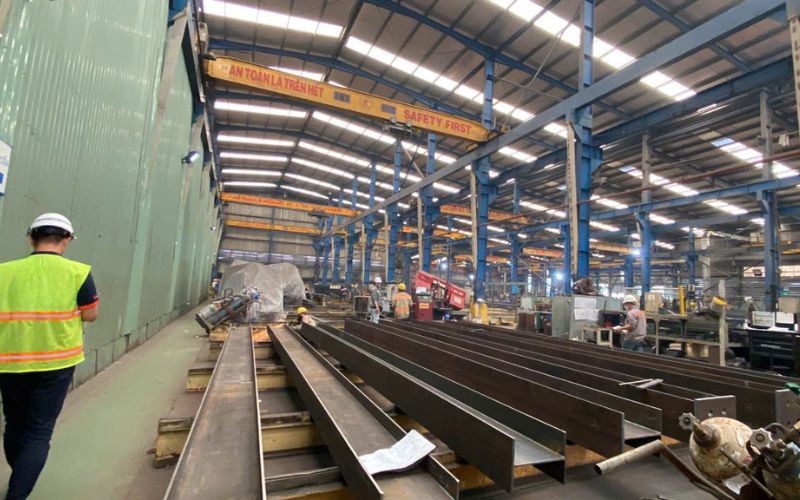
Supplier qualification should not necessarily end when a manufacturer passes its initial audit.
Over several years, a factory’s workforce, financial position, customer mix, certifications, capacity, and production priorities can change. For buyers making substantial sourcing commitments, it is therefore useful to treat qualification as an ongoing supplier-management process rather than a one-time pass/fail assessment.
This is also relevant as manufacturers across Asia compete for international production. Companies continue to review and adjust their supply chains, while manufacturers are expected to compete across factors such as quality, reliability, technical capability, responsiveness, and price.
As a result, a supplier’s initial qualification should not be assumed to remain valid indefinitely.
Monitor Changes That May Affect Supplier Performance
Between formal supplier reviews, buyers should also pay attention to changes that may affect the manufacturer’s ability to maintain agreed production requirements. These can include changes in workforce turnover, retention of critical technical staff, production capacity, expansion plans, quality and on-time delivery performance, certifications, compliance records, customer concentration, market exposure, financial conditions, or ownership.
The purpose is not to monitor every operational change. Instead, buyers should focus on changes that could affect production continuity, quality, capacity, or the supplier’s ability to meet the original requirements agreed during qualification.
This is particularly relevant when a supplier is expanding quickly. Changes in production volume, for example, may require corresponding adjustments in quality-control resources, production planning, or workforce capacity. Reviewing these changes allows buyers to determine whether the supplier’s operating structure is developing in line with its production requirements.
Conduct an Annual Supplier Review
An annual supplier review provides a practical way to reassess the aspects of a manufacturer’s operations that are most likely to change over time. Rather than repeating the entire initial audit, buyers can focus on workforce turnover, retention of key technical staff, production capacity, expansion plans, and quality and on-time delivery performance. The review should also consider updated certifications and compliance records, customer or market concentration, and any financial or ownership changes that could affect business continuity.
Beyond reviewing current conditions, buyers should compare the supplier’s performance with the assumptions made during the original qualification. For example, if a factory’s production output has doubled while its quality-control team has remained almost the same size, it is worth examining how QC processes and coverage have adapted to the increased workload.
The objective is not to treat business growth as a warning sign, but to determine whether the supplier’s management systems, resources, and quality controls have evolved alongside its production scale.
Conclusion
Qualifying Vietnam manufacturers for long-term production requires more than confirming that a supplier can complete a sample order or pass a factory audit.
Machinery and certifications provide information about technical capability. Workforce stability, financial conditions, operational processes, and the ability to adapt provide additional information about whether that capability can be maintained over time.
Vietnam’s manufacturing expansion creates opportunities for international buyers, while also making it relevant to assess how individual suppliers manage growth. Buyers should therefore look beyond current production capability and examine how a manufacturer manages people, customers, capacity, costs, and operational changes.
For companies developing a Vietnam sourcing strategy, this approach makes manufacturer qualification part of ongoing supply-chain risk management rather than a one-time procurement step.
If you are evaluating Vietnamese manufacturers for sustained production, a structured supplier qualification audit can help identify capability gaps before they affect production continuity or create additional supply-chain costs.

