
Why Vietnamese Industrial Buyers Prefer Local Importers for Foreign Machinery
- November 13, 2026
- Posted by: marketing
- Categories: Market Entry, Uncategorized
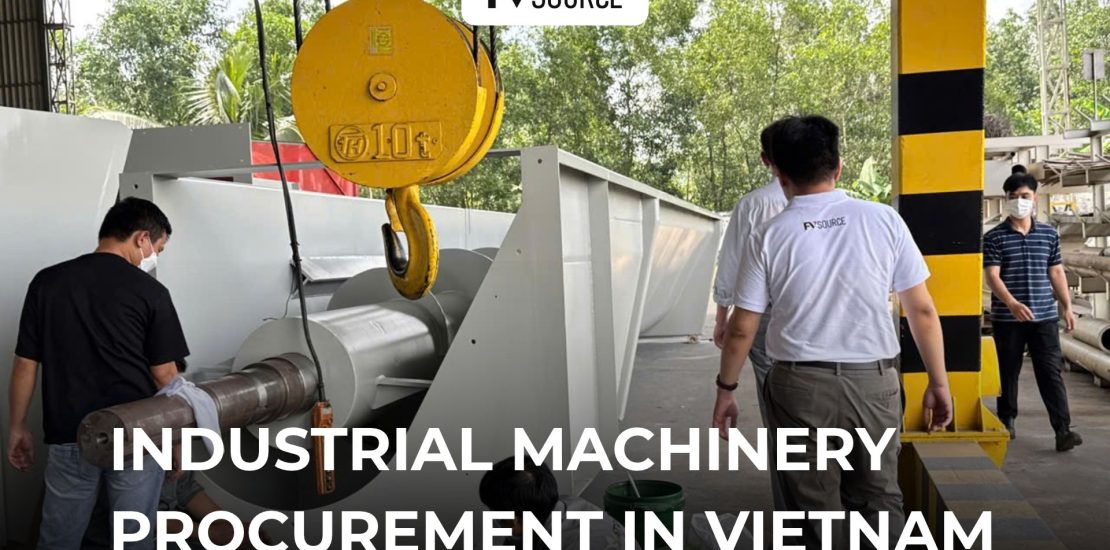
A European machinery manufacturer receives an inquiry from a factory in Vietnam. The customer is interested in the equipment, its technical specifications meet production requirements, and the initial price appears reasonable. However, when discussions move toward purchasing arrangements, the factory asks whether the machine can be supplied through a local importer rather than purchased directly from overseas.
This preference is not necessarily related to doubts about the foreign manufacturer’s reliability. For some Vietnamese industrial buyers, purchasing machinery involves considerations beyond equipment performance and purchase price. Import procedures, payment arrangements, installation requirements, and access to technical support can all influence how a transaction is structured.
Understanding these requirements is important for foreign manufacturers planning their Vietnam Market Entry. A product may be technically suitable and competitively priced, yet still face purchasing obstacles if the supplier cannot accommodate the customer’s operational and procurement expectations.
Why Local Importers Simplify Industrial Machinery Purchasing
Purchasing industrial equipment from an overseas manufacturer can involve responsibilities that extend beyond negotiating specifications and agreeing on a price. Depending on the transaction, the Vietnamese buyer may need to coordinate international transportation, customs clearance, import documentation, and payments to a foreign supplier.
For manufacturers with established import-export departments, these activities may already be part of normal operations. Other businesses, particularly those purchasing imported machinery infrequently, may prefer dealing with a local company that can manage the import transaction and deliver the equipment under agreed domestic commercial terms.
Reducing Import and Administrative Responsibilities
When a Vietnamese factory purchases machinery directly from an overseas supplier, it must establish which party is responsible for shipping arrangements, customs declarations, import duties, applicable taxes, and any required inspections or certifications.
These responsibilities depend on the agreed delivery terms, the product category, and the importer’s legal status. Certain machinery and equipment may be subject to specialized inspection or technical requirements under Vietnamese regulations, making it necessary to verify the applicable HS classification and compliance obligations before shipment.
A local importer can simplify this process by purchasing the machinery from the foreign manufacturer, handling import procedures within its authorized scope, and reselling the equipment to the end customer.
For the factory, this arrangement can reduce the need to coordinate several parties involved in an international transaction. Instead of communicating separately with the overseas supplier, logistics provider, customs broker, and other service companies, the buyer may deal primarily with the local importer responsible for fulfilling the agreed delivery conditions.
Consider a Vietnamese manufacturer purchasing a specialized production machine for the first time. Its procurement team may understand the equipment’s technical requirements but have limited experience importing this category of machinery. Even when external customs brokers are available, managing documentation, clearance, and delivery still requires internal coordination.
Working with a competent importer allows the factory to concentrate on evaluating the equipment and preparing its production site while the supplier manages the agreed import and delivery responsibilities.
The benefit is operational convenience rather than an assumption that Vietnamese companies cannot import directly. Many export-oriented manufacturers and foreign-invested factories have experienced procurement and logistics departments and may prefer to manage international purchases themselves.
The preference for local purchasing is not always driven by price. In a discussion with Pietro Karjalainen, who brings extensive experience in Vietnam market entry and B2B business development, Guillaume Rondan explores how importing procedures, payment arrangements, and local service expectations can influence the way Vietnamese companies purchase foreign equipment.
In the discussion, they examine why a technically suitable product and competitive quotation may not be sufficient to secure a sale when the purchasing process does not match the customer’s expectations.
Making Purchasing Costs and Payment Arrangements More Predictable
A foreign manufacturer’s quotation does not always represent the final cost of bringing machinery into operation.
The buyer may also need to account for international freight, insurance, applicable import duties, taxes, inland transportation, installation, and other services. Which costs are included in the quotation depends on the agreed Incoterms and contractual scope.
A local importer may offer a quotation that combines the machinery with import handling, domestic delivery, and other agreed services. This can give the procurement team a clearer understanding of the amount payable to its local supplier and the work included in that price.
Purchasing through a local importer may also allow the buyer to follow its existing domestic procurement and payment procedures, with invoices and payment documentation issued in accordance with applicable regulations and the agreed contractual arrangements.
The financial advantage is not necessarily a lower purchase price. Local importers must account for their own operating expenses, financing requirements, and commercial margins, which can increase the final selling price.
However, procurement teams do not evaluate equipment purchases solely on the manufacturer’s export quotation. They also need to understand the total purchasing commitment, documentation required for internal approvals, and which party is responsible for completing the transaction.
For some buyers, a higher but more clearly defined local quotation may be preferable to managing several separate international purchasing arrangements.
Why After-Sales Accountability Influences Machinery Purchasing Decisions
Importing and payment arrangements explain part of the appeal of local suppliers, but industrial machinery introduces another consideration: what happens after the equipment has been delivered.
Unlike products purchased primarily for resale or consumption, industrial machines are often integrated into production processes. Their performance can influence manufacturing capacity, delivery schedules, and operating costs. As a result, buyers may evaluate the support available throughout the equipment’s working life before committing to a purchase.
Consider a factory operating a packaging line with a specialized imported machine. If the equipment develops a fault that stops production, the factory needs to determine how quickly the problem can be diagnosed, whether replacement components are available, and who is responsible for arranging repairs.
Contacting the overseas manufacturer may be necessary for complex technical issues. However, time-zone differences, technician availability, international travel, and spare-parts transportation can affect the response process.
A local importer with trained technicians and an established service arrangement may help resolve certain problems without requiring the factory to coordinate directly with several overseas parties. Even where specialist intervention remains necessary, having a local contact responsible for managing the case can simplify communication and follow-up.
This is particularly relevant when machinery requires installation, commissioning, operator training, or periodic maintenance. Buyers need to understand whether these services are included in the purchase agreement, who will deliver them, and what happens if the equipment does not perform as expected after installation.
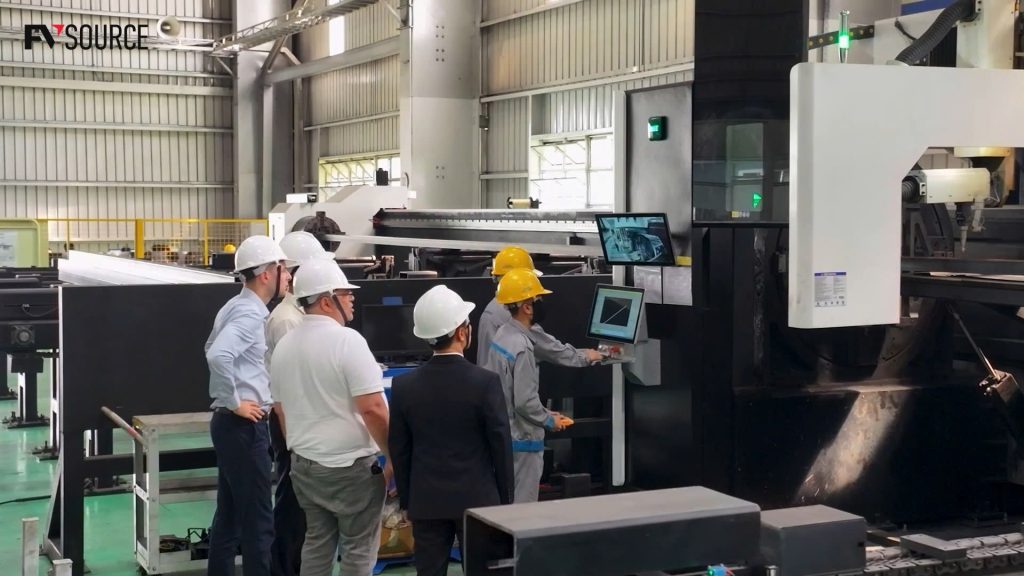
Warranty responsibilities deserve similar attention. A manufacturer’s warranty may cover specific components or defects, but it does not automatically mean that local labor, technician travel, shipping of replacement parts, or production losses are covered.
Those details depend on the contractual terms, and industrial buyers may seek clarification before approving the investment.
Importantly, purchasing through a local importer does not automatically guarantee effective technical support. Some companies specialize in trading and logistics but have little engineering capacity. Others maintain service teams, spare-parts inventories, or arrangements with authorized technicians.
For the buyer, the distinction becomes critical when comparing suppliers. Two importers may be able to deliver the same machine, but their ability to support its operation after delivery may differ considerably.
The U.S. International Trade Administration identifies local after-sales service and customer support as important considerations for foreign companies selling in Vietnam. Its market guidance also highlights the importance of having an appropriate local service arrangement.
For foreign machinery manufacturers, the practical implications extend beyond appointing an importer. They need to understand which activities the local partner is qualified and legally permitted to perform, whether technical personnel are available, and how warranty and maintenance responsibilities will be handled. The regulatory requirements depend on the specific business structure and services involved, so these arrangements should be reviewed before being included in a commercial agreement.
For industrial machinery, the commercial relevance is straightforward: the purchasing decision is not limited to whether the machine meets technical requirements today. It also concerns whether the buyer has a workable arrangement for keeping that equipment operational over time.
What Local Purchasing Preferences Mean for Foreign Machinery Manufacturers
For overseas manufacturers, understanding why customers prefer local importers can influence how machinery is priced, sold, and supported in Vietnam.
A local partner may make purchasing more convenient for customers, but introducing an intermediary also changes the commercial structure. Manufacturers must consider how additional costs affect pricing and how customer relationships will be managed once the importer becomes the contracting supplier.
Balancing Local Market Access With Channel Economics
Selling through a local importer can make machinery accessible to customers who would otherwise be reluctant to arrange an international purchase.
The importer may take responsibility for importing, local transactions, inventory, delivery, or technical services, depending on the agreement. These activities provide value, but they also involve costs and financial exposure.
For example, a European manufacturer may offer a machine at an export price that appears competitive against alternative equipment. Once freight, applicable duties and taxes, inland transportation, importer expenses, and the distributor’s margin are considered, the final quotation to the Vietnamese customer may be considerably higher.
This does not automatically make the arrangement commercially unsuitable. If the importer provides installation, financing terms, training, or dependable local technical assistance, the customer may consider the additional cost justified.
The manufacturer nevertheless needs to understand how the complete offer compares with competing products already available in Vietnam.
A lower factory selling price does not guarantee a stronger market position if the customer must independently arrange essential services. Equally, a local sales channel that adds costs without providing corresponding value may weaken the manufacturer’s competitiveness.
The relevant comparison is therefore the total offer presented to the customer, including its price, responsibilities, and service commitments, rather than equipment price alone.
Maintaining Visibility Over End-Customer Requirements
Selling through an importer can also change how information moves between the end customer and the foreign manufacturer.
In a conventional resale arrangement, the importer may manage customer relationships, commercial quotations, and purchasing negotiations. While this can make local transactions easier, it may leave the manufacturer with limited direct feedback about how customers evaluate the equipment.
For standardized machinery, a technically capable importer may handle most inquiries independently. However, customized equipment or projects requiring engineering adjustments often benefit from direct communication between the manufacturer’s technical team and the end user.
Consider an overseas machinery supplier receiving feedback that its equipment is too expensive for the Vietnamese market. Without further information, management may assume that reducing the selling price is necessary.
Yet the customer’s objection may be more specific. The equipment might require additional installation work, the proposed service response may be unclear, or a competing supplier may include operator training and spare parts in its offer.
These issues have different commercial implications. Lowering the equipment price would not necessarily address concerns about installation or maintenance.
Foreign manufacturers should therefore establish an appropriate process for receiving technical feedback and participating in important customer discussions, even when the importer remains responsible for local sales transactions.
The objective is not to bypass the commercial partner but to preserve access to information needed for product positioning, technical support, and future market development.
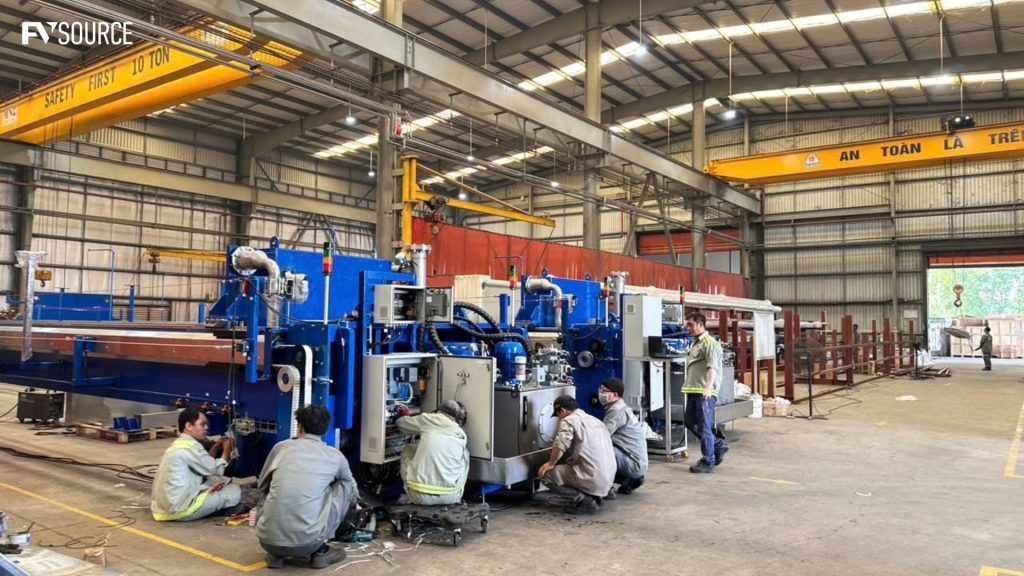
When Does a Local Importer Become the Right Route to Vietnamese Industrial Buyers?
Although local importers can address several purchasing concerns, they are not necessarily the preferred solution for every industrial customer. The appropriate purchasing model depends on the buyer’s internal capabilities, the complexity of the equipment, the supplier’s delivery and service arrangements, and the commercial value of the transaction. For foreign manufacturers, understanding these differences helps determine when a local intermediary is genuinely needed and when direct purchasing may be more suitable.
Buyers Without Dedicated Import or Technical Support Resources
A company purchasing machinery occasionally may not have a procurement department experienced in international equipment transactions. Its purchasing team may be comfortable evaluating technical specifications and negotiating prices but prefer not to coordinate customs clearance, overseas payments, and international delivery.
Where the equipment also requires installation or maintenance, the company may value having a single local supplier responsible for coordinating the entire process.
In this situation, an importer can provide more than access to foreign equipment. It can offer an organized purchasing arrangement covering the activities that the factory would otherwise need to coordinate separately.
However, the importer must be capable of delivering the services included in its offer. A business that can handle customs procedures but cannot arrange technical support may solve only part of the buyer’s problem. For foreign machinery manufacturers, the practical question is whether the importer can reduce the customer’s purchasing and operating difficulties sufficiently to justify its role in the transaction.
This requires understanding the buyer’s procurement capabilities rather than assuming that all local customers need the same level of assistance.
Buyers That May Still Prefer Direct Purchasing
Larger manufacturing companies, established exporters, and foreign-invested enterprises may already have procurement, import-export, and engineering teams capable of managing direct international purchases.
For these businesses, working directly with an overseas manufacturer can offer advantages, particularly for high-value equipment, customized production lines, or machinery purchased under centralized procurement arrangements.
Direct discussions may allow technical specifications, engineering modifications, delivery requirements, and commercial terms to be negotiated without an additional reseller managing the transaction.
A company investing in a specialized manufacturing system, for example, may prefer direct coordination with the equipment manufacturer because several rounds of technical design and factory acceptance testing are required before shipment. Even in these circumstances, local support may remain important. The buyer might purchase the equipment directly while using a Vietnamese service provider for installation assistance, maintenance, or spare-parts management.
This illustrates why the choice should not be reduced to local importer versus foreign manufacturer. Different responsibilities can be assigned to different parties, provided the contractual and operational arrangements are clear.
For overseas suppliers, the decision should begin with how the customer wants to purchase and operate the machinery. If the buyer has the resources to import directly, adding a reseller may offer limited value. Where the buyer expects a domestic contracting party and dependable local services, a qualified importer may be an important part of the commercial solution.
The appropriate route depends on the purchasing requirements of the target customers and the actual capabilities of the businesses involved.
Conclusion
For foreign machinery manufacturers, understanding local purchasing preferences is an important part of developing a workable sales approach in Vietnam.
Local importers can help address the administrative, financial, and operational responsibilities that influence industrial purchasing decisions. Their value, however, depends on what they can actually deliver and whether those services match the needs of the customer.
A successful Vietnam Market Entry approach should reflect how target buyers prefer to purchase equipment, the support they require after delivery, and the commercial responsibilities each party is equipped to manage.

