
Vietnam Home Textile Manufacturing: What Companies Can Learn From Auditing a Factory
- March 18, 2026
- Posted by: marketing
- Category: Manufacturing
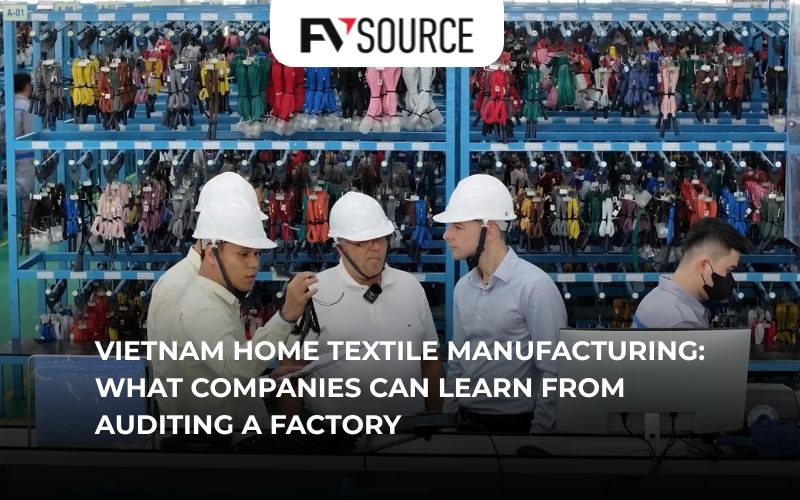
In international sourcing, the real difference between a reliable supplier and a problematic one often becomes clear only inside the factory itself. Catalogs, product samples, and trade fair booths can present an attractive image of manufacturing capabilities, but they rarely reveal how production actually works day to day.
Vietnam has become one of the most closely watched manufacturing hubs in the global textile industry. With textile and garment exports reaching around $46 billion in 2025, the country now ranks among the world’s leading textile exporters. Within this broader sector, home textiles, including bedding, blankets, cushions, and decorative fabrics have attracted increasing attention from international buyers seeking to diversify sourcing beyond traditional manufacturing centers.
Yet statistics and product displays only tell part of the story. For sourcing teams, visiting a factory remains one of the most effective ways to understand how a supplier truly operates, how materials move through production, how quality is controlled, and how products are prepared for export.
The following video offers a closer look inside a Vietnamese home textile factory, illustrating how production lines, sewing operations, and quality control processes actually function on the factory floor.
Vietnam’s Rise as a Home Textile Manufacturing Hub
Vietnam’s textile sector has undergone a remarkable transformation over the past twenty years. Originally known primarily for garment assembly operations, the country has gradually developed a broader industrial ecosystem that now includes fabric production, dyeing, finishing, and specialized textile manufacturing.
This evolution is closely tied to Vietnam’s integration into global trade frameworks. Agreements such as the EU-Vietnam Free Trade Agreement (EVFTA) and the Comprehensive and Progressive Agreement for Trans-Pacific Partnership (CPTPP) have strengthened the country’s position in global supply chains by reducing tariffs and improving market access for Vietnamese exports.
At the same time, Vietnam has invested heavily in industrial zones and export infrastructure. Ports, logistics networks, and manufacturing clusters across regions such as Ho Chi Minh City, Binh Duong, and Dong Nai have made it easier for international buyers to coordinate production and shipment.
The workforce has also played a significant role in this transformation. With more than 1.6 million workers employed in the textile and garment sector, Vietnam possesses one of the largest skilled textile labor pools in Southeast Asia. Decades of experience in garment production have created a strong base of industrial skills that naturally extend into home textile manufacturing.
Another important factor has been the gradual development of supporting industries. While Vietnam historically depended heavily on imported fabrics and fibers, domestic supply networks have expanded significantly. A growing share of materials used in textile production now originates within the country, reducing supply chain risks and improving production flexibility.
Together, these factors have allowed Vietnam to position itself not merely as a low-cost manufacturing location, but as a reliable industrial partner capable of supporting large export programs.
Trade Fairs Provide Visibility, But Factory Visits Provide Clarity
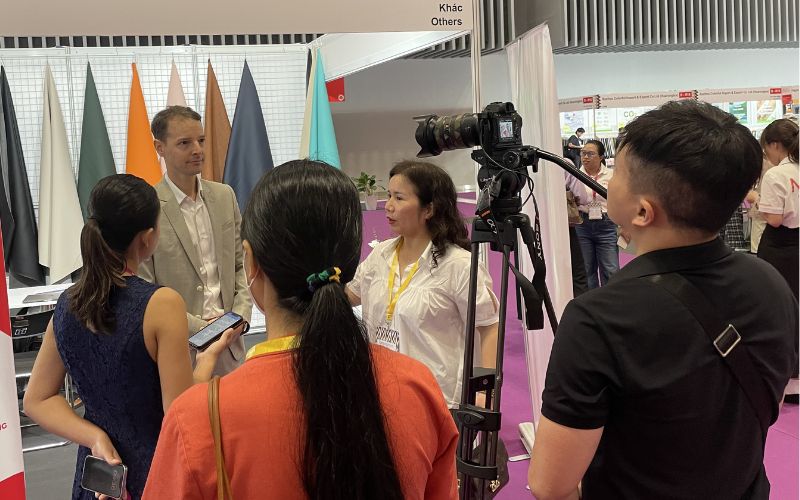
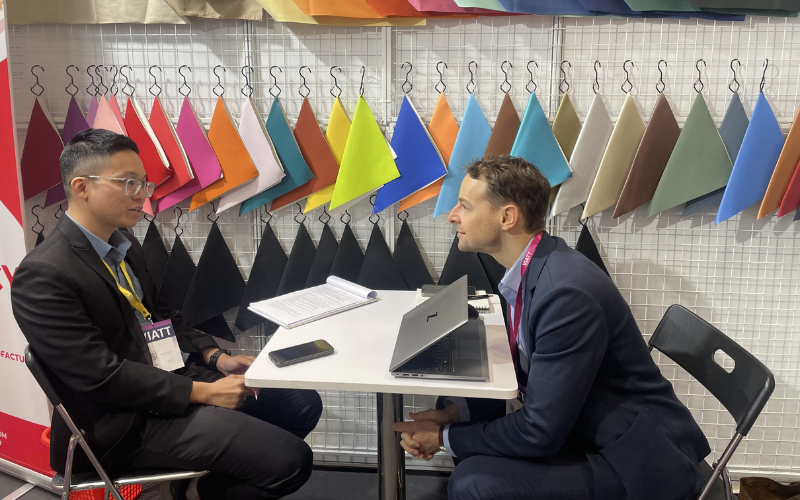
International trade fairs have become an important entry point for buyers exploring Vietnam’s textile industry. Events such as VIATT (the Vietnam International Trade Fair for Apparel, Textiles and Textile Technologies) bring together hundreds of manufacturers, suppliers, and service providers from across the global textile value chain.
For buyers, these exhibitions provide a valuable overview of the industry. They allow sourcing teams to discover new suppliers, compare product offerings, and gain insight into emerging trends within the sector.
However, trade fairs primarily showcase finished products rather than production capabilities. A product displayed at an exhibition booth does not necessarily reflect how manufacturing is organized behind the scenes. In some cases, the item may have been produced through subcontracting arrangements or developed specifically as a marketing sample.
Because of this, experienced sourcing professionals rarely rely solely on trade fair meetings when evaluating potential suppliers. The next step typically involves visiting the factory itself.
This transition, from exhibition booth to production floor, often reveals details that are invisible during initial meetings. It clarifies whether the supplier truly controls manufacturing, whether quality processes are consistent, and whether the factory possesses the capacity required for long-term cooperation.
Walking Through a Vietnamese Home Textile Factory
Entering a textile factory offers a completely different perspective on manufacturing. Instead of polished product displays, visitors encounter the dynamic environment where materials are transformed into finished goods.
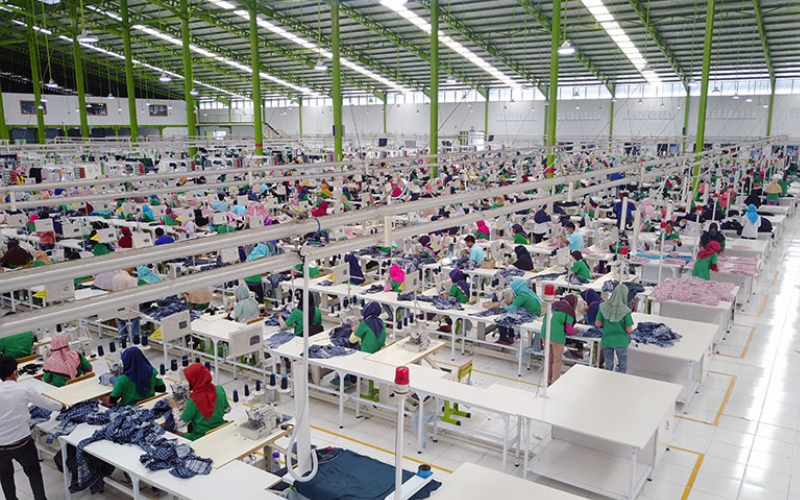
Production usually begins with the arrival and inspection of raw materials. Fabrics delivered to the factory are examined carefully before entering the production process. This stage is essential because even minor imperfections in textile rolls can cause large-scale defects during later stages of manufacturing.
Once materials pass inspection, they move to the cutting area. Here, fabrics are measured and cut into the precise shapes required for the final product. Larger factories often rely on computerized cutting machines capable of processing multiple layers of fabric simultaneously, improving efficiency and reducing material waste.
After cutting, the components move to sewing lines where the products begin to take shape. In home textile manufacturing, sewing operations can involve various techniques depending on the product type. Pillowcases, blankets, mattress protectors, and decorative textiles each require different stitching methods and assembly processes.
What becomes immediately visible during a factory visit is the rhythm of production. Skilled operators work in coordinated sequences, passing semi-finished products from one workstation to another. When the workflow is well organized, the production line moves smoothly and efficiently.
This organization reflects more than just operational efficiency; it also reveals the level of experience and training within the workforce.
Quality Control as a Structural Element of Manufacturing
One of the most important aspects buyers observe during a factory visit is the factory’s quality control system. In textile manufacturing, quality assurance cannot be confined to a single inspection stage at the end of production. Instead, it must be integrated throughout the entire process.
Factories with mature production systems typically conduct inspections at several stages, beginning with the verification of incoming materials. During production, inspectors regularly examine semi-finished products to ensure that stitching, alignment, and fabric consistency meet required standards. Final inspections are then conducted to confirm that the finished goods comply with customer specifications before packaging begins.
These procedures may appear routine, but they are fundamental to maintaining consistent quality across large production volumes. When implemented properly, they allow factories to identify and correct problems early, reducing the risk of defective shipments.
During factory visits, sourcing teams often review documentation related to these procedures. Inspection reports, defect tracking systems, and certification records provide valuable insight into how systematically a supplier manages quality.
Storage, Packaging, and Export Preparation
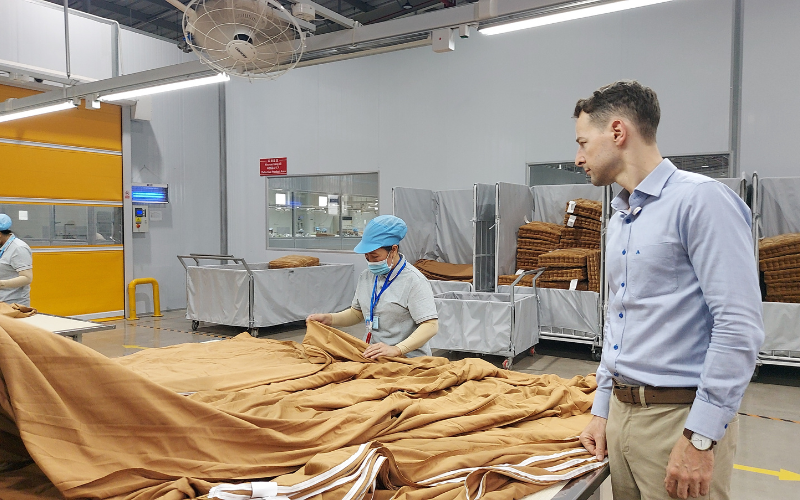
Beyond production lines, factory visits also reveal how manufacturers handle logistics and export preparation. Once products pass final inspection, they move to packaging and warehouse areas where they are prepared for shipment.
The organization of these spaces can provide important clues about operational discipline. Well-managed warehouses typically maintain clear labeling systems, structured storage layouts, and standardized packaging procedures. These elements help ensure that products can be loaded efficiently into containers and shipped without delays.
Vietnam’s export-oriented manufacturing sector has developed strong logistics capabilities over the past decade. With national trade volumes reaching record levels, factories increasingly operate within sophisticated supply chains connecting production facilities to international ports.
For buyers, observing these logistics operations firsthand helps confirm whether a supplier can reliably support global distribution requirements.
Inside the Factory: A Production Walkthrough
To better illustrate what companies encounter during a home textile factory visit, the following video provides a real-world example of manufacturing operations in Vietnam.
The walkthrough highlights several elements typical of Vietnamese home textile factories. Visitors are first introduced to product showrooms displaying different bedding and textile collections. The tour then moves into production areas where cutting, sewing, and finishing operations take place.
For international buyers, observing these stages helps connect the finished products seen at trade fairs with the manufacturing processes that create them. It provides a more complete understanding of how suppliers organize production and manage quality.
Observations That Matter During Factory Visits
While factory tours often focus on machinery and production lines, experienced sourcing professionals pay attention to a broader set of indicators. Subtle details can reveal important information about how a factory operates.
The condition of equipment, for example, often reflects the company’s maintenance culture. Machines that are well maintained and clean suggest disciplined operational management. In contrast, poorly maintained equipment may signal potential production disruptions.
Workforce stability is another important indicator. Factories with experienced operators tend to maintain higher levels of product consistency. Frequent worker turnover, by contrast, can create fluctuations in quality.
Equally important is the transparency of factory management. Suppliers who openly discuss production constraints, lead times, and sourcing challenges often prove more reliable partners than those who avoid such conversations.
These observations may seem qualitative, but they play a critical role in evaluating long-term supplier relationships.
The Strategic Importance of Factory Visits in Vietnam
As global supply chains become more complex, companies increasingly seek ways to reduce sourcing risks and improve supplier reliability. Factory visits play a crucial role in this process.
They allow buyers to verify production capacity, assess quality management systems, and gain a realistic understanding of how suppliers operate. In Vietnam’s rapidly expanding textile sector, these visits also provide insight into how manufacturers are upgrading capabilities.
Many factories are investing in modern machinery, improved workflow engineering, and more structured quality control systems. These improvements reflect a broader shift in the industry toward higher productivity and more sophisticated manufacturing practices.
For companies sourcing home textile products, maintaining close contact with manufacturing operations helps ensure that sourcing decisions remain grounded in real production capabilities rather than marketing presentations.
Conclusion: Seeing Production Is Understanding Production
In international sourcing, the physical distance between buyers and factories can sometimes obscure how manufacturing truly works. Digital communication, product catalogs, and online meetings provide useful information, but they cannot fully replace direct observation.
Visiting a factory changes that perspective. It reveals how materials move through production, how workers coordinate operations, and how quality standards are applied in practice. It also provides the opportunity to build relationships with the teams responsible for manufacturing.
In Vietnam’s home textile sector, an industry that continues to expand and integrate into global supply chains, these visits remain one of the most effective ways to evaluate suppliers and understand production capabilities.
For companies exploring sourcing opportunities in Southeast Asia, the lesson is straightforward: the most valuable insights into manufacturing are often found not in reports or presentations, but on the factory floor itself.

