
Vietnam + Malaysia for Contract Manufacturing in Asia: Why This “Winner Duo” Beats a One-Country Strategy
- December 31, 2025
- Posted by: admin
- Category: Manufacturing
For decades, companies approached manufacturing in Asia with a simple mindset: select one country, identify suppliers, and scale production. China dominated this model due to its unmatched industrial integration.
However, global supply chains have evolved significantly.
Geopolitical tensions, rising costs, supply chain disruptions, and increasing demand for resilience have pushed companies to rethink this approach. Instead of relying on a single country, businesses are now designing multi-country manufacturing strategies.
Within Southeast Asia, one combination is increasingly emerging as particularly effective: Vietnam + Malaysia.
This pairing is not accidental. It reflects a deeper complementarity between two manufacturing ecosystems:
- Vietnam: scale, labor-intensive production, flexibility
- Malaysia: technology, precision, electronics, higher-value processes
Together, they create a balanced manufacturing model capable of handling both cost-driven and high-value production requirements.
This guide provides an objective, in-depth analysis of why this “winner duo” is gaining traction—and how companies can leverage it effectively.
Global Manufacturing Shift: Why Diversification Is Now Mandatory
The move toward multi-country sourcing is driven by structural changes in global manufacturing.
Companies today face:
- supply chain disruptions (COVID, logistics bottlenecks)
- geopolitical risks (US-China tensions)
- tariff exposure
- increasing demand for supply chain resilience
In response, the “China +1” strategy emerged. However, it is now evolving into something more complex: “Multi-node supply chain strategy”.
Instead of simply replacing China, companies are building distributed manufacturing systems across Asia.
Within ASEAN, Vietnam and Malaysia have become central nodes in this network.
At a regional level, there is even growing coordination between countries. Vietnam and Malaysia are increasingly part of a broader semiconductor and industrial ecosystem, with discussions around integrated supply chains across ASEAN.
Vietnam: The Execution Engine of Southeast Asia
Strengths: Scale, Cost, and Flexibility
Vietnam’s manufacturing success is built on its ability to deliver:
- competitive labor cost
- large workforce
- export-oriented production
- flexibility in OEM projects
The country ranks among the top manufacturing destinations in Asia and continues to attract strong foreign investment.
Its industrial production has grown rapidly, with manufacturing output expanding by around 10% year-on-year in recent periods.
Industrial Positioning
Vietnam is particularly strong in:
- furniture manufacturing
- garments and apparel
- consumer goods
- basic to mid-complex industrial fabrication
It has also started moving up the value chain, especially in electronics assembly and industrial components.
Manufacturing Model
Vietnam operates through a distributed supplier network:
- multiple factories involved
- subcontracting is common
- strong specialization by process
This model allows flexibility but requires coordination.
Limitations of Vietnam capabilities
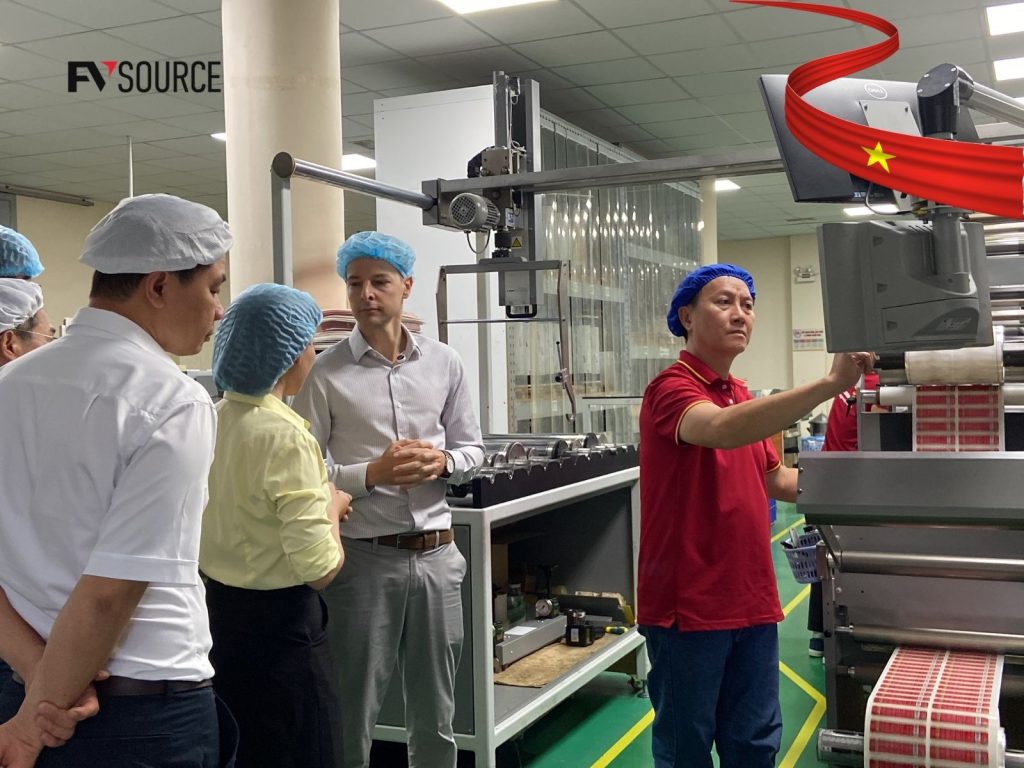
Vietnam’s main constraints include:
- less integrated supply chains
- dependency on imported materials
- limited high-tech capabilities compared to advanced economies
Malaysia: The High-Tech Manufacturing Platform
Strengths: Electronics, Semiconductors and Precision
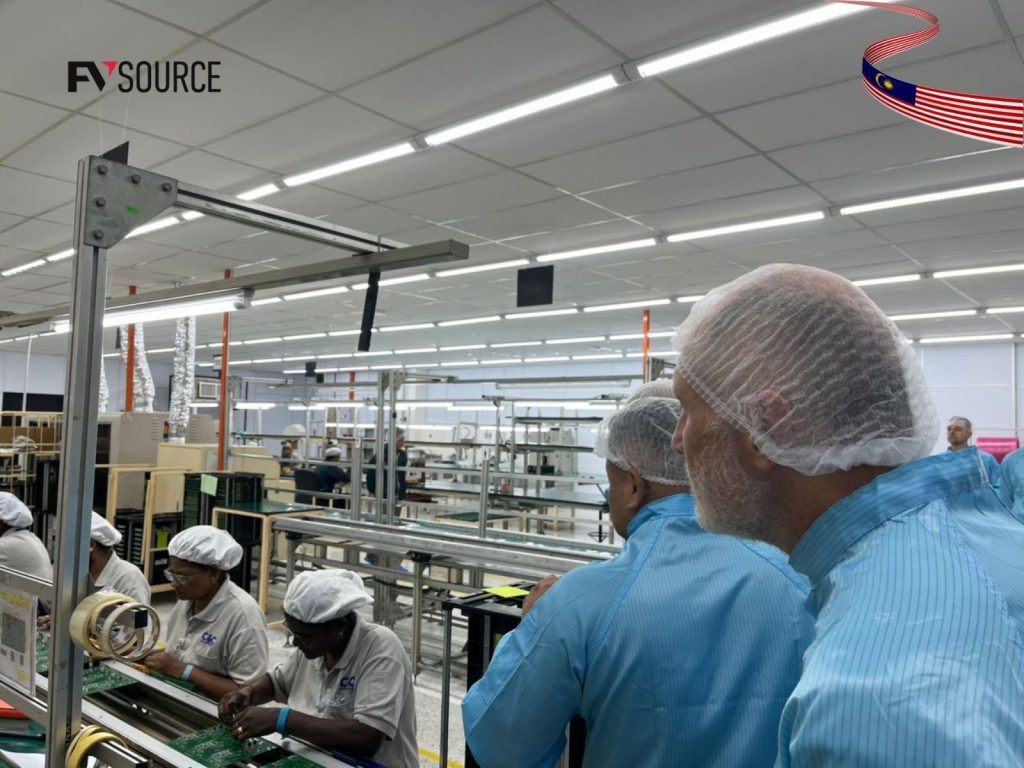
Malaysia has positioned itself as a high-value manufacturing hub, particularly in electronics and semiconductors.
The country is one of the world’s largest exporters of semiconductor devices and electronic components.
It plays a critical role in global supply chains, especially in:
- semiconductor assembly, testing and packaging
- integrated circuits
- electronics manufacturing services (EMS)
Malaysia contributes significantly to global semiconductor back-end operations and is deeply integrated into the global electronics ecosystem.
Industrial Clusters: Penang as a Case Study
Penang is often referred to as the “Silicon Valley of the East”, hosting hundreds of multinational companies, including major global electronics firms.
The ecosystem includes:
- advanced manufacturing facilities
- R&D centers
- supply chain infrastructure
This level of industrial maturity is significantly higher than most ASEAN countries.
Value Chain Positioning
Malaysia is positioned higher in the value chain than Vietnam, particularly in:
- precision manufacturing
- electronics and semiconductors
- automation-driven production
Limitations of Malaysia Manufacturing
However, Malaysia also presents trade-offs:
- higher labor costs
- reliance on foreign labor in some sectors
- smaller manufacturing scale compared to Vietnam
- less flexibility for low-volume OEM projects
Discover why Malaysia is emerging as a strategic manufacturing hub in Asia, with a modern industrial ecosystem, strong electronics sector, and a growing role in the China+1 supply chain strategy.
Vietnam vs Malaysia: Complementary Strengths
The real value of combining Vietnam and Malaysia lies in how their strengths align.
Comparative Overview
| Criteria | Vietnam | Malaysia |
|---|---|---|
| Cost | Low | Medium to High |
| Labor | Abundant | More limited |
| Flexibility | High | Medium |
| Technology | Medium | High |
| Electronics | Assembly | Advanced |
| Supply Chain | Fragmented | More integrated |
| Scale | Large | Smaller but specialized |
Strategic Complementarity
Vietnam provides:
- cost-efficient production
- scalability
- flexibility
Malaysia provides:
- precision manufacturing
- electronics expertise
- higher-value processes
How the Vietnam + Malaysia Model Works in Practice
Typical Hybrid Manufacturing Structure
A common approach is to split production across both countries.
Example: Electronics Product
- Malaysia:
- PCB production
- semiconductor-related components
- testing and validation
- Vietnam:
- final assembly
- packaging
- large-scale production
Example: Industrial Equipment
- Malaysia:
- precision components
- high-spec parts
- Vietnam:
- fabrication
- assembly
- finishing
Benefits of This Model
This hybrid strategy allows companies to:
- reduce cost while maintaining quality
- access advanced capabilities without paying full premium
- diversify supply chain risks
Increasing Regional Integration
There is growing alignment across ASEAN to build more integrated supply chains, particularly in semiconductors and electronics.
This further strengthens the Vietnam + Malaysia pairing.
Cost Trade-Offs: Why Malaysia Is Not “Cheap”
Higher Cost Structure
Malaysia’s cost base is significantly higher than Vietnam’s.
Factors include:
- higher wages
- more developed economy
- higher operating costs
Labor Constraints
Malaysia relies partly on foreign labor, especially in manufacturing sectors, which adds complexity and regulatory considerations.
Value vs Cost
However, Malaysia’s value lies in:
- precision
- reliability
- advanced processes
The key is not to compare cost directly, but to understand where each country adds value.
Market Trends Driving This Duo
Rise of Electronics and Semiconductors
Both Vietnam and Malaysia are increasingly involved in the semiconductor ecosystem.
Vietnam is expanding into electronics assembly and moving gradually up the value chain.
Malaysia remains a global leader in semiconductor packaging and testing.
AI and Digital Infrastructure
Demand for AI-related components is driving growth in electronics manufacturing across the region.
Malaysia has seen strong growth in exports of semiconductor-related components linked to AI demand.
ASEAN as a Manufacturing Region
ASEAN is evolving into a more integrated manufacturing region, with cross-border supply chains becoming more common.
Vietnam and Malaysia are key pillars of this transformation.
When to Use the Vietnam + Malaysia Strategy
Ideal Scenarios:
- electronics manufacturing
- industrial equipment
- multi-component products
- companies scaling production
Less Relevant Scenarios:
- very simple products
- ultra-low-cost sourcing
- small volume projects
Risks and Challenges
Coordination Complexity
Managing production across two countries increases:
- communication complexity
- logistics coordination
- supplier management
Supply Chain Fragmentation
Combining Vietnam’s distributed model with Malaysia’s specialized ecosystem requires strong planning.
Cost Control
Improper structuring can lead to:
- duplicated costs
- inefficiencies
- delays
Strategic Takeaway : The Vietnam + Malaysia model is not about replacing one country with another.
It is about combining:
- Vietnam’s scalability and cost efficiency
- Malaysia’s precision and technological capability
Conclusion: A New Manufacturing Logic in Asia
The future of manufacturing in Asia is not about choosing one country, it is about designing a system.
Vietnam and Malaysia represent two complementary approaches:
- one focused on execution and scale
- the other on technology and value
Together, they provide a powerful platform for companies looking to build resilient and competitive supply chains.
We help companies structure and execute multi-country manufacturing strategies across Vietnam and Southeast Asia:
- supplier identification in both markets
- production structuring and split strategy
- quality control and coordination
- end-to-end project management
With strong expertise in contract manufacturing and industrial sourcing.

