
Why Foreign Companies Struggle in Vietnam Market Entry
- May 28, 2026
- Posted by: marketing
- Category: Uncategorized
Vietnam is increasingly recognized as one of Southeast Asia’s most attractive destinations for foreign investment. The country continues to benefit from strong economic growth, rising consumer spending, and a rapidly expanding middle class, making it a strategic target for international business expansion. The numbers are certainly compelling. In the first quarter of 2026 alone, Vietnam attracted approximately USD 15.2 billion in registered foreign direct investment, representing a 42.9% increase compared to the same period last year. These figures reinforce Vietnam’s reputation as a high-potential market for global investors. However, attractive opportunities do not automatically translate into business success. According to Vietnam’s National Statistics Office, while nearly 96,000 enterprises entered or re-entered the market during the first quarter of 2026, approximately 91,800 businesses also withdrew from the market during the same period. This highlights a critical reality: despite strong economic fundamentals, operating successfully in Vietnam remains challenging even for domestic companies. For foreign companies, the risks are often even greater. Cultural differences, fragmented consumer behavior, regulatory complexities, and the difficulty of building reliable local partnerships frequently create barriers that many international firms underestimate.
So why do so many foreign companies struggle when entering Vietnam? More importantly, what can businesses do to avoid costly mistakes and build a sustainable market entry strategy? This article explores the most common challenges and practical lessons for companies seeking long-term success in Vietnam.
Why Vietnam is More Complex than Expected
At first glance, Vietnam appears to offer everything international investors are looking for: strong economic growth, increasing consumer spending, and a strategic position within Southeast Asia. These advantages have encouraged more companies to pursue business expansion in Vietnam and explore opportunities across manufacturing, retail, technology, and professional services. However, many foreign companies in Vietnam quickly discover that success is far more challenging than market reports suggest. While Vietnam offers tremendous growth potential, it is also a market shaped by diverse consumer behaviors, relationship-driven business practices, evolving regulations, and highly fragmented distribution networks. As a result, many organizations underestimate the realities of entering the Vietnamese market. Strategies that have proven successful in Europe, North America, or other Asian markets may not always translate effectively to the local business environment. Understanding these complexities is essential for building a successful Vietnam market entry strategy and avoiding costly mistakes.
The Fragmented Consumer Landscape
One of the biggest surprises for foreign investors is that Vietnam does not operate as a single, homogeneous market. Consumer preferences, purchasing behaviors, and brand perceptions can vary significantly across regions. For example, consumers in Northern Vietnam often place greater emphasis on reputation, trust, and long-term brand credibility. Meanwhile, consumers in Southern Vietnam are generally more open to experimentation and tend to respond quickly to new products, promotional campaigns, and emerging trends. These differences can directly impact product positioning, pricing strategies, marketing campaigns, and customer acquisition efforts. Companies that fail to recognize these regional nuances often struggle to gain traction despite having strong products or established international brands.
To better understand these on-the-ground realities, watch the video below, where experienced business leaders share practical insights into the challenges of Vietnam market entry and the factors that foreign companies should consider before expanding into the country.
The insights shared above highlight a common theme: success in Vietnam requires far more than a strong product or a large investment budget. Businesses must understand how local consumers think, how relationships influence decision-making, and how operational realities differ from expectations. These factors become even more apparent when companies begin building partnerships and navigating day-to-day business operations.
Regulatory Realities and Setup Timelines
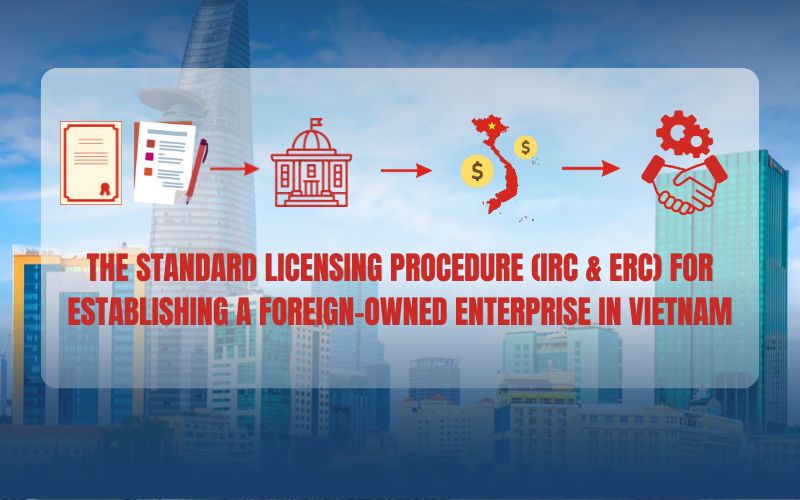
Regulatory requirements are another area where expectations and reality often differ significantly for international investors. Many companies begin their Vietnam market entry journey assuming that setting up a legal entity will be a relatively straightforward administrative process. While Vietnam has made substantial progress in improving its business environment, foreign investors still need to navigate a series of licensing procedures, compliance requirements, and industry-specific regulations before operations can officially begin. For most foreign-owned businesses, the process starts with obtaining an Investment Registration Certificate, followed by an Enterprise Registration Certificate. Depending on the nature of the business, additional permits or sub-licenses may also be required before commercial activities can commence. Industries such as manufacturing, retail, education, healthcare, and food services often face additional regulatory requirements that can extend setup timelines.
One of the most common mistakes made by foreign companies in Vietnam is underestimating how these timelines can affect broader business operations. Delays in licensing can impact office leasing, bank account opening, employee onboarding, supplier contracts, and even planned product launches. What initially appears to be a minor administrative delay can quickly create a chain reaction across multiple areas of the business. Furthermore, regulations may vary depending on the sector, ownership structure, and location of the investment project. As a result, companies that adopt a one-size-fits-all approach to entering the Vietnamese market often encounter unexpected obstacles during implementation. This does not mean that Vietnam is an overly restrictive market. In fact, the country continues to attract record levels of foreign direct investment and remains one of the most attractive destinations for business expansion in Vietnam and across Southeast Asia. However, successful investors recognize that regulatory preparation is not simply a legal exercise, it is a critical component of an effective Vietnam market entry strategy.
Common mistakes in market entry
Many foreign companies in Vietnam struggle not because of a lack of opportunity, but because of avoidable market entry mistakes. Common errors include choosing local partners without sufficient due diligence, assuming a global strategy will work in the local market, and underestimating cultural and regulatory differences. In addition, many businesses expect rapid results without investing enough time in relationship-building and localization. For companies entering the Vietnamese market, success requires more than a strong product; it demands a well-planned Vietnam market entry strategy that aligns with local market realities and supports sustainable business expansion in Vietnam.
Choosing the Wrong Local Partner
One of the most common reasons foreign companies in Vietnam struggle after market entry is choosing the wrong local partner. To accelerate growth and reduce operational risks, many businesses rely on distributors, suppliers, recruitment agencies, or joint venture partners when entering the Vietnamese market. However, selecting a partner based solely on company size, financial capacity, or an impressive corporate profile can lead to costly mistakes. A successful local partner should offer more than market access. They should possess strong industry expertise, established business networks, operational transparency, and a deep understanding of local customer behavior. Without proper due diligence, foreign investors may encounter misaligned business objectives, communication challenges, or inconsistent execution that ultimately slows market expansion.
For businesses pursuing business expansion in Vietnam, local partnerships often play a critical role in shaping long-term success. The right partner can provide valuable market insights, facilitate relationship-building, and help navigate operational complexities. Conversely, the wrong partner can delay growth, increase costs, and damage brand reputation. As part of an effective Vietnam market entry strategy, companies should conduct thorough partner evaluations, verify capabilities, and assess cultural fit before making long-term commitments. Taking the time to choose the right local partner can significantly reduce risk and improve the chances of sustainable growth in Vietnam.
Assuming a Global Strategy Will Work in Vietnam
Another major mistake is assuming that strategies successful in other markets can be directly applied to Vietnam without adaptation. While global best practices provide a valuable foundation, Vietnam’s unique consumer behaviors, business culture, and competitive landscape often require a more localized approach. Many international companies enter the market with standardized products, pricing structures, marketing campaigns, and sales processes. However, what works in Europe, North America, or even neighboring Asian countries may not resonate with Vietnamese consumers. Regional preferences, purchasing habits, and cultural expectations can significantly influence how customers perceive and interact with a brand.
This is one of the most overlooked challenges of doing business in Vietnam. Companies that fail to localize their products, messaging, and customer experience often struggle to gain traction despite having strong products or substantial investment resources. In contrast, successful foreign companies in Vietnam typically adapt their strategies based on local market feedback and consumer insights. A strong Vietnam market entry strategy should balance global expertise with local execution. Rather than treating Vietnam as an extension of an existing market, businesses should view it as a distinct environment that requires tailored solutions. By investing in localization and understanding market realities, companies entering the Vietnamese market can improve customer engagement, strengthen competitive positioning, and achieve more sustainable long-term growth.
Conclusion
Vietnam continues to offer significant opportunities for international investors, but success requires more than recognizing market potential. From navigating cultural differences and regulatory requirements to building strong local partnerships, foreign companies in Vietnam must be prepared for challenges that are often underestimated. A successful Vietnam market entry strategy requires careful planning, local market knowledge, and a long-term commitment to growth. By understanding the realities of entering the Vietnamese market and avoiding common mistakes, businesses can reduce risk, accelerate expansion, and build a sustainable presence in one of Southeast Asia’s most promising markets.

